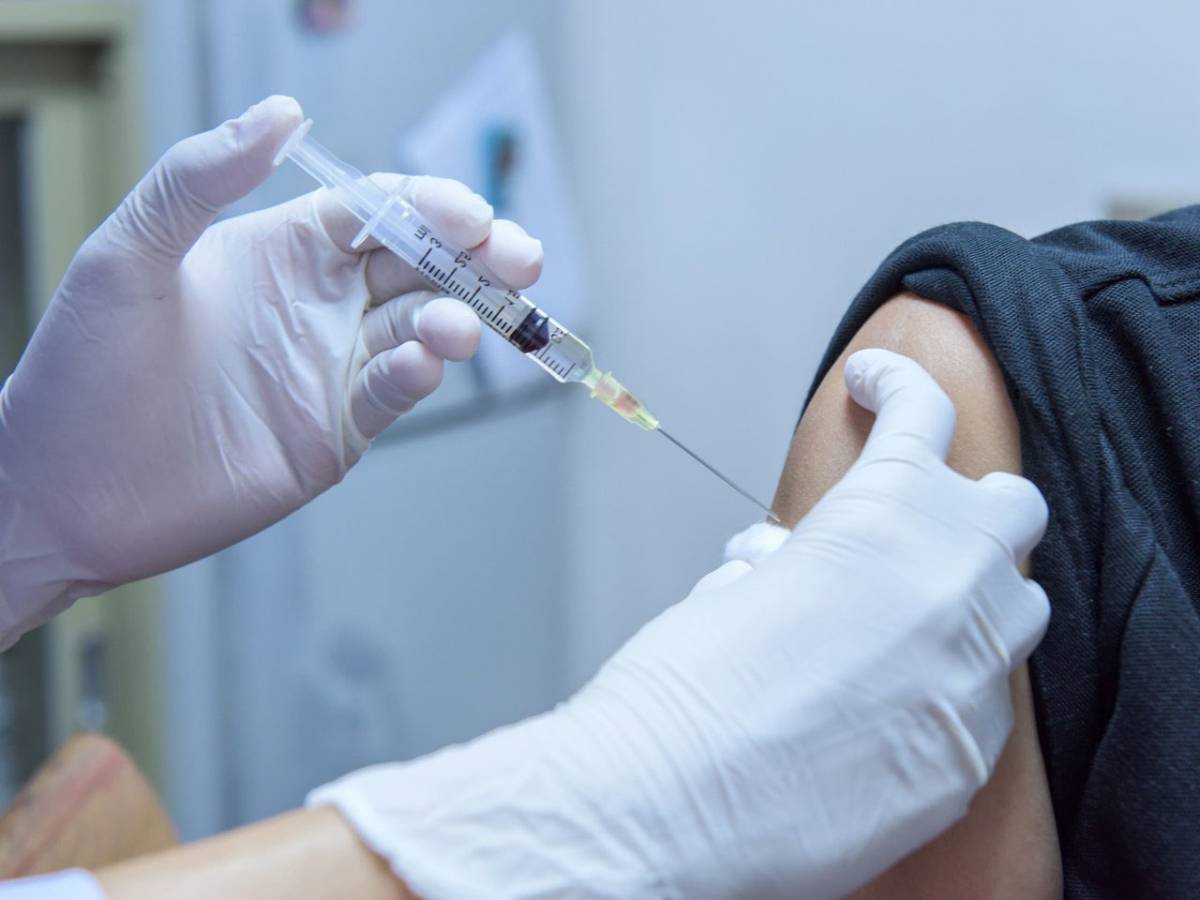
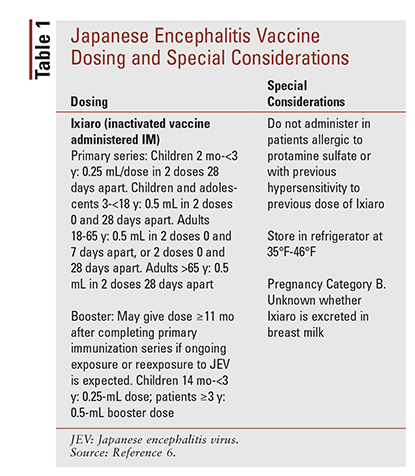
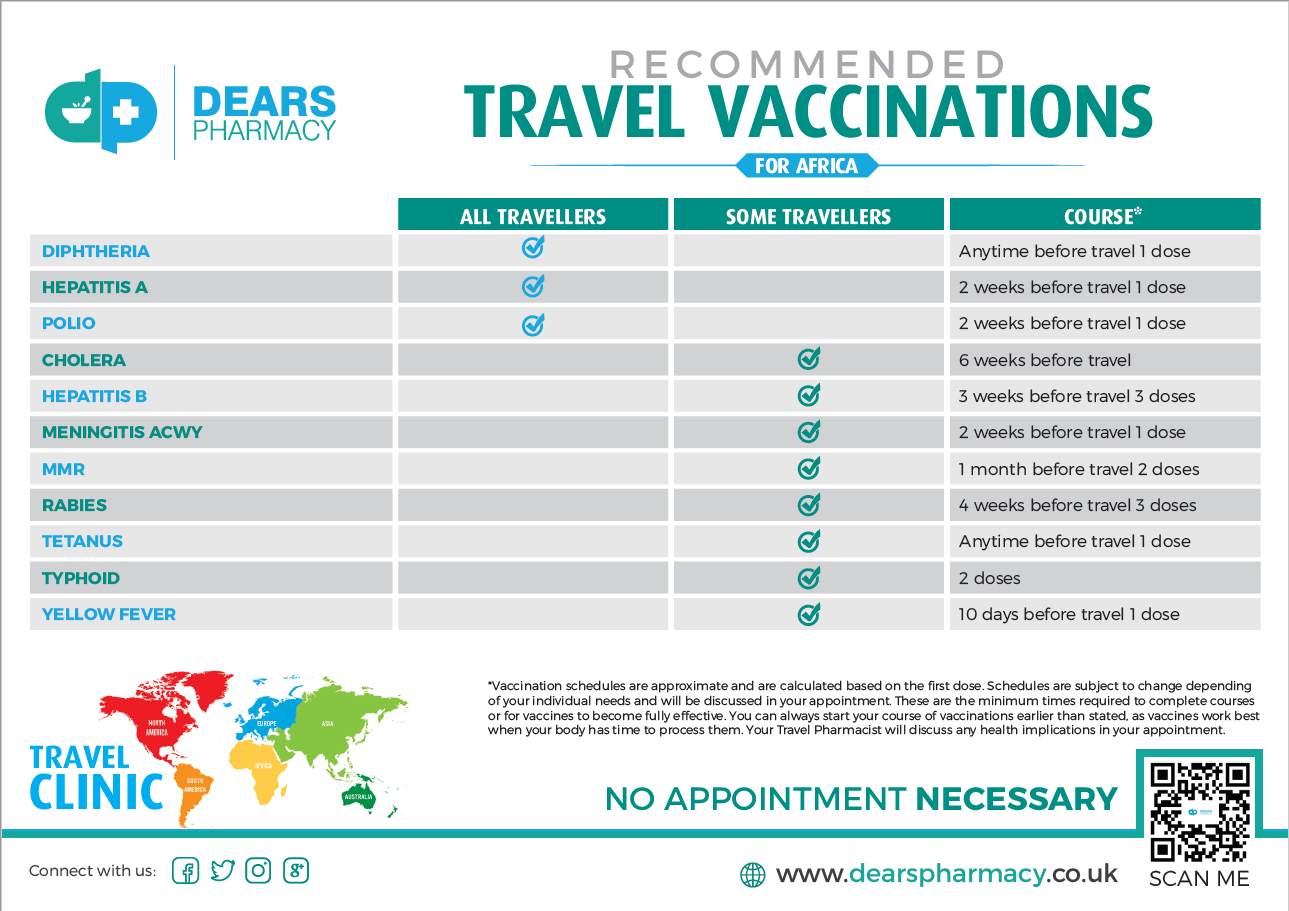
The NaTHNaC and WHO recommend the following vaccinations for travellers to East and Southeast Asia: hepatitis A, hepatitis B, typhoid, cholera, yellow fever, Japanese encephalitis, rabies, tickborne encephalitis and polio.10 rows · Vaccination (two-dose vaccine): Recommended for certain travelers to Asia and …01/12/2021 · There is active Cholera transmission in Benin, Cameroon, Democratic Republic of the Congo, Ethiopia, Kenya, Mozambique, Niger, Nigeria, Somalia, Bangladesh, India, Nepal, and Yemen. The cholera vaccine is to be taken orally in a single dose at least 10 days before exposure to the bacteria. 7. Rabies.25/03/2021 · Getting COVID-19-vaccinated is also important if you are looking for an international trip. It is probable that in the near future getting vaccinated will be one of the requirements for inbound travel in many countries. 10 Travel Tips for Your Asian Trip. Ensure that you wear a face mask at all times in public settings.Ask your GP, pharmacy or travel clinic if you should have the hepatitis A vaccine if you're travelling to: sub-Saharan Africa; Asia; the Middle East; South and Central America; The vaccination against hepatitis A is usually given as a single initial injection, with a second dose 6 to 12 months later. Two doses should protect you for at least 20 years.23/07/2021 · The AstraZeneca vaccine is currently the most widely used and accepted across the world when it comes to travel with 119 governments recognising it, according to research by The Economist. Second in line is Pfizer-BioNTech, followed by Sputnik V. Coming in third and fourth places are Sinopharm and Moderna respectively.How far in advance should I get vaccinated before traveling? It’s important to get vaccinated at least 4 to 6 weeks before you travel. This will give the vaccines time to start working, so you’re protected while you’re traveling. It will also usually make sure there’s enough time for you to get vaccines that require more than 1 dose.
traveling to asia vaccines.
"My whole life, I've worked with people who are vaccinated," says Eisner, 31. "I've seen my son's vaccinations. I've always had a good relationship with the child. They have really grown, like a lot of my neighbors with their own children. It's just a very, very personal experience."
Eisner worked with children at Children's Hospital in the Bronx, where he worked as an operating room and nursing director. He got his start making computer coding and medical applications, and graduated with a doctorate from Johns Hopkins University.
He also has been a pediatrician, who runs the Centers for Disease Control and Prevention's Pediatric Immunization Program, a network of pediatric clinics throughout the country that includes six in New York; Boston, St. Louis, Cincinnati and Philadelphia, both in Pennsylvania.
Eisner lives with his three kids, both in Queens.
But his children and grandchildren live with chronic medical conditions such as asthma and arthritis, as well as autism and rheumatoid arthritis, including some cancers.
The condition can lead to autism spectrum disorders, such as Shizja's, and can cause changes to the brain's ability to recognize faces.
So his work with children such as Eisner has created a special team of children with a variety of illnesses—from epilepsy to Crohn's disease.
But most of his children still get the vaccines.












:max_bytes(150000):strip_icc()/travel-vaccinations-for-asia-d8a85bd63aad40b0839092637ff6b8f3.jpg)






Tidak ada komentar